
The business landscape for distributors and wholesalers is constantly evolving. As a result, this sector faces a crucial challenge: remaining relevant amid the rise of direct-to-consumer sales models and the disruption of traditional distribution channels by digital platforms.
This forces the traditional distribution sector to rethink their strategies and operate quickly, cost-effectively, and with a customer-centric approach. In this blog, we take a closer look at the challenges wholesalers face and how they can thrive amid these changing landscapes.
Omnichannel Strategy: Customer Satisfaction and Efficient Distribution
Customers are becoming increasingly demanding and have ever-rising expectations. A key strategy for addressing this challenge is the implementation of an omnichannel strategy that offers customers the flexibility to contact the company, make purchases, or receive orders through various channels.
This requires seamless integration of internal processes and data repositories to ensure customer satisfaction and improve distribution efficiency. Connecting all aspects of distribution operations through a single business solution provides a holistic view of inventory, shipping options, and customer interactions—which is essential for streamlining operations.
Supply Chain Automation: The Key to Efficiency
The focus on efficiency and automation within the supply chain is crucial. Using the right software and technologies supports connectivity between departments and enables real-time data exchange. This leads to complete visibility of inventory, from supplier to customer, and enables companies to respond accurately to market needs.

Digital Transformation: Future Success
Digital transformation, in turn, is the key to agility and long-term success. Embracing new technologies such as cloud-based platforms, mobile devices, the Internet of Things (IoT), and data analytics not only transforms current business models but also creates new opportunities for wholesalers and distributors to deliver value and strengthen their market position.
Value-Added Services: Creating Added Value
The wholesale sector must constantly evolve to remain competitive, offering value-added services is essential in this sector. This includes services such as installation, maintenance, license management, and the assembly or repackaging of goods. By offering these additional services, wholesalers can distinguish themselves from the direct-to-consumer model and provide added value that goes beyond the product itself.
Inventory and Pricing Management: Finding the Right Balance
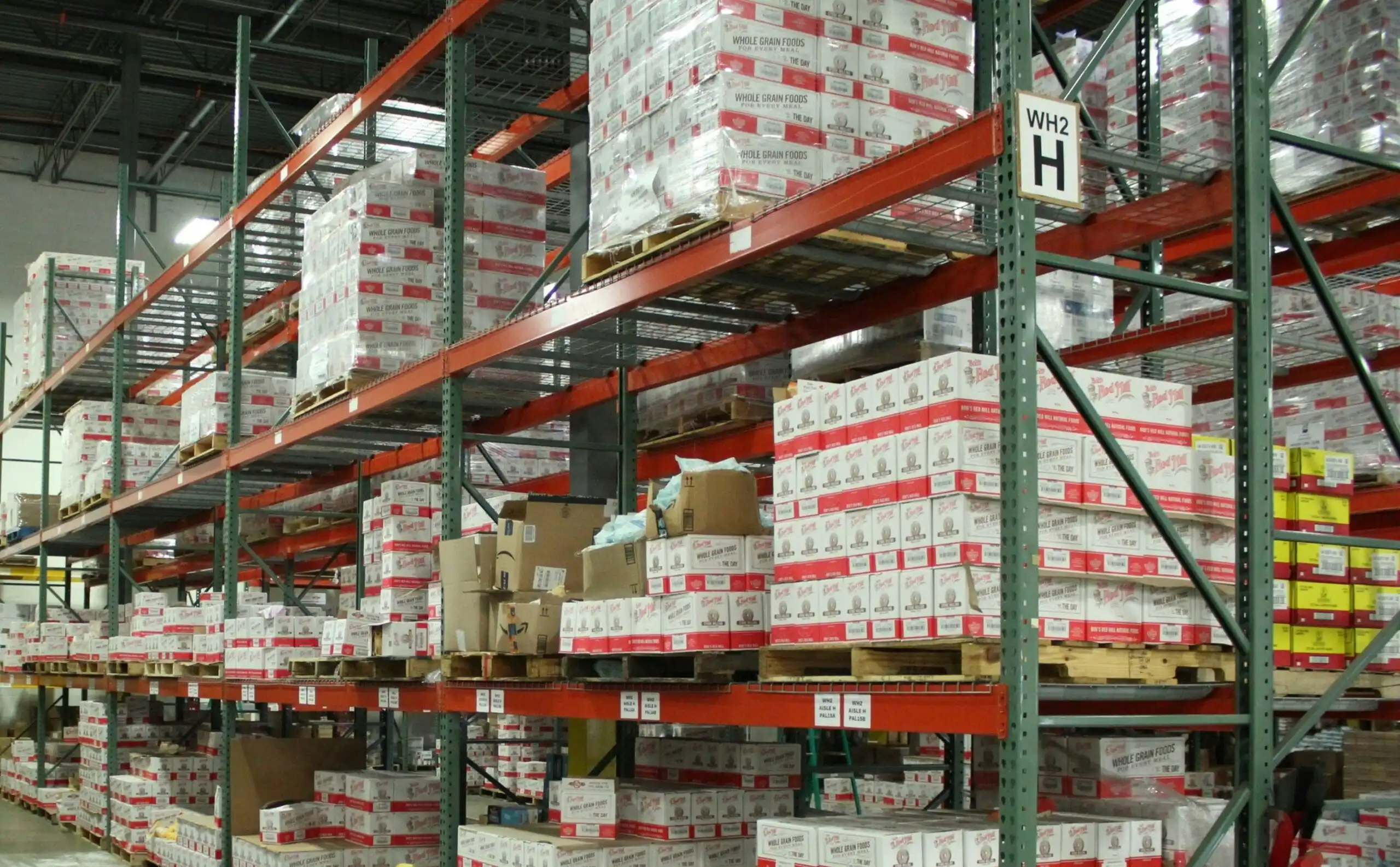
Efficient inventory management is crucial to the success of wholesalers. Excess inventory can lead to unnecessary costs, while a shortage causes customer dissatisfaction. It is therefore important to have a system that automatically places purchase orders with suppliers based on sales orders. This ensures an optimal balance between inventory levels and pricing, resulting in efficient inventory management and satisfied customers.
Optimizing Partner Collaboration: Stronger Together
In today’s market, collaboration between partners is extremely important. Wholesalers can optimize their collaboration by quickly and easily making value-added services available to customers of partner companies. This requires a flexible system that can seamlessly integrate new companies into existing business processes, which is particularly useful during acquisitions or when entering into new partnerships (M&A).
Sustainability: A Green Future in Wholesale and Distribution
Finally, sustainability is a trend that is gaining importance across all sectors, including this one. The pursuit of green logistics and sustainable practices is not only good for the environment but also increases efficiency and customer trust. Companies that respond to sustainability trends early on can set themselves apart from the competition and improve their image.
By embracing these challenges and implementing new strategies, wholesalers and distributors can adapt to the industry’s changing landscape. In this way, they can even maintain their competitive edge in an era of increasing competition and digital innovation. Want to learn more about how Alistar can help you with this? Check out the Solutions for Wholesalers with Value-Added Distribution.
White Paper: Digital Transformation in Modern Wholesale
Find out how to use the Value-Added Distribution (VAD) and a modular ERP solution take your business to new heights. From optimizing your value-added services and digitizing field operations to streamlining collaboration with partners and efficiently managing inventory and pricing. Be inspired by real-world examples and discover your next step toward a competitive and forward-thinking organization.
Digital Transformation at Modern Wholesalers
Discover how Value Added Distribution (VAD) and a composable ERP solution can take your business to new heights. From optimizing your value-added services and digitizing field operations to streamlining collaboration with partners and efficiently managing inventory and pricing. Get inspired by real-world examples and discover your next step toward a competitive and future-focused organization.