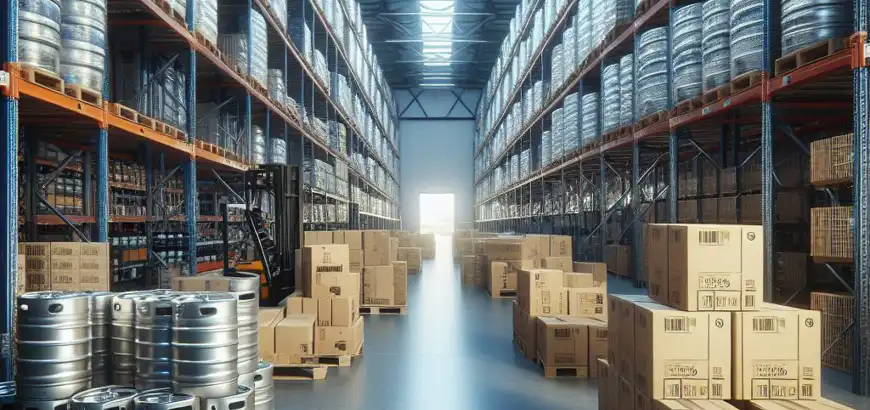
Before you take a sip of a nice pint, it’s often already traveled quite a distance. From the brewery to the exporter, to the wholesaler or purchasing group, to beverage distribution centers, to the bar—and only then into your hand! As a developer of ERP Software for the Beverage Industry We understand the challenges facing the industry better than anyone. No wonder e-commerce is the beverage industry is getting off to a slower start than in other markets.
Shelf Life
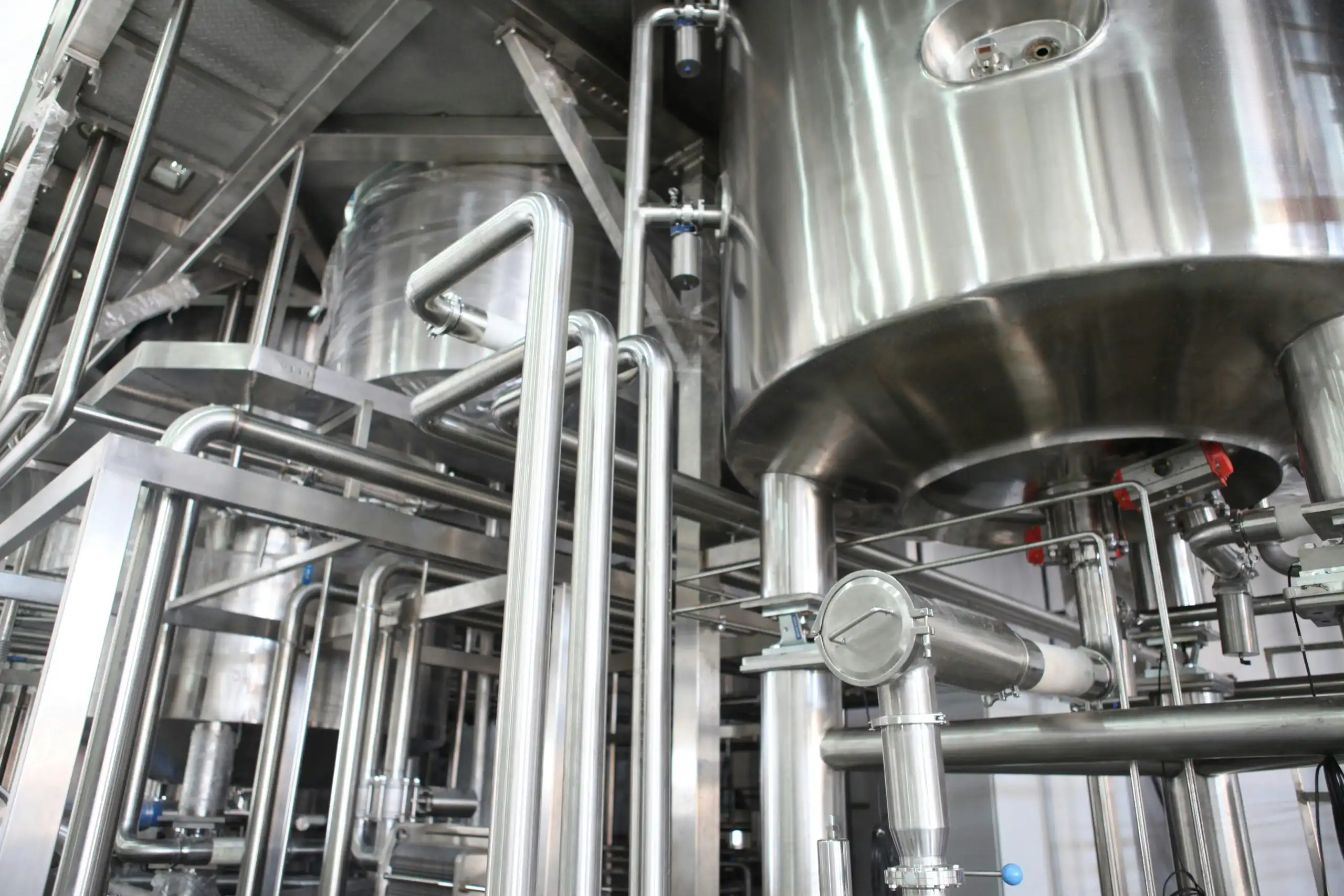
Many beverages, such as beer, do not have an indefinite shelf life. A pilsner or top-fermented beer has a shelf life of between 6 and 9 months; all other beers should be consumed within 12 months, with the exception of Trappist beers, which can be stored for 18 months. Often, beers don’t actually go ‘bad’ after that, but their flavor changes, making them unsuitable for sale. Other beverages, such as fruit juices, are also perishable.
Of course, breweries and producers ensure that in their ERP system that they have the necessary production information, data, and batch details to ensure the required accuracy. For food and beverage companies, it is therefore even more important that the e-commerce The solution they choose must also have access to that information from the ERP or production software so they can deliver the high-quality products the customer expects.
Inventory & Logistics at Beverage Distribution Centers
Some beverages aren’t always available—think of Orval, Westvleteren, certain Lambic beers, or exclusive gins and whiskeys. Being able to communicate with customers at the right moment, close the sale smoothly, and ensure logistics are in order is therefore crucial—especially since, in many cases, that customer is a distributor who also needs to generate interest among their own customers.
A clear overview of inventory and shipping times is therefore crucial. Again, all that logistics data is normally stored in your ERP system. For a brewery to succeed in e-commerce, its online store must be well integrated with, for example, an ERP system such as Microsoft Dynamics or Drinkmaster 365.
Repeat Purchases and Order Suggestions
When bars place their weekly orders with their wholesaler, those orders are often roughly the same as the week before. Note the word ‘roughly,’ because consumption depends on the weather, is influenced by holiday periods, varies by season, and so on. That’s why we built order suggestions into Drinkmaster that make it easy for the retailer to advise the bar based on order history.
E-commerce for the beverage industry is only truly useful if the bar can quickly modify a shopping cart or order itself based on this order proposal—using a template or suggestion—and then place the order in a flash. That saves time for both the customer and the supplier! What’s more, the latest version of Sana Commerce (CMS for Microsoft Dynamics Business Central) a smart wizard that will suggest shopping carts based on your entire purchase history.
Product Units and Sales Units
A case, a six-pack, a pallet, a 12-pack carton, a keg, a gift set with a glass, 4% discount, 2 + 2 free, … the beverage industry often offers the same drink in a wide variety of product units. And that’s not even mentioning the gift baskets and composite items that they make themselves.
These different units are created in the ERP system, but they must, of course, also be synchronized with the online store or e-commerce platform so that customers can choose how they would like to order their drinks.
For beverage distributors or breweries, it is therefore important to choose flexible and integrated online store software that effortlessly transfers sales data from the ERP system to the online store.