Technology is taking its place at the head of the table
Alistar sees a clear shift in the market. Organizations that are focusing today on integrating all their IT and software are building the data platform they’ll need tomorrow. Technology is no longer merely a support function; it now helps shape business strategy. As we move toward 2026, this collaboration between people and technology will become a decisive factor for growth.
Technology shouldn't just execute tasks; it should guide more decisions. Only when it becomes a full-fledged team member will real progress be made. Those who understand this today are building the engine of growth for tomorrow.
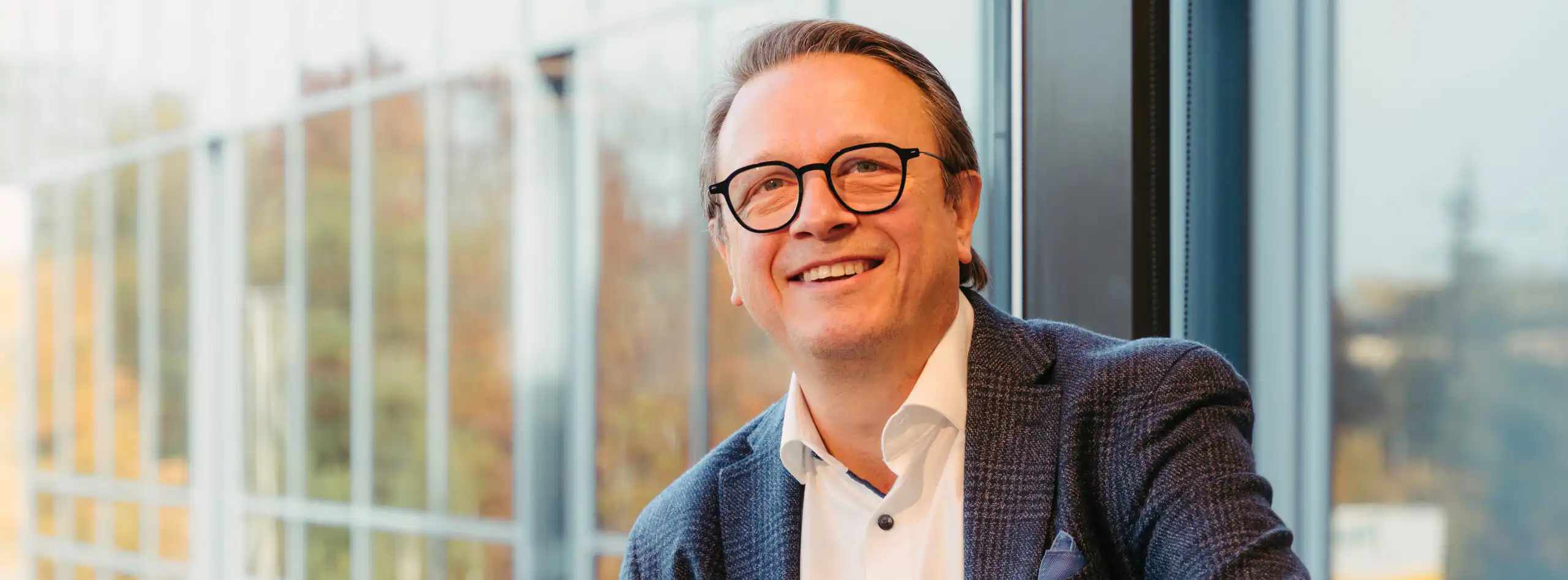
Jan Hofman, CEO of Alistar
“When I look at organizations, I see a clear difference between companies that continue to work with disparate tools and fragmented data, and companies that view their IT partner as a strategic partner: a team member who accelerates decision-making, mitigates risks, and enables growth. That second category is growing the fastest, and that’s no coincidence.”
The future of IT is shaped by connectivity
The IT environment of 2026 revolves around connecting people, data, and technology. That is the core principle upon which Alistar is built. By bringing people, data, and technology together, we make growth possible, has become a practical guide for how we assist our clients.
Alistar was founded by entrepreneurs who wanted to bring technology closer to the user. With more than 750 specialists in ERP, CRM, cloud, cybersecurity, AI, data & BI, e-commerce, and low-code, we deliberately offer a broad range of expertise: organizations want progress, not debates about tools.
From Complexity to Business Impact
Progress doesn’t come from new buzzwords, but from decisions that make processes simpler, safer, and more workable: better data governance to unlock AI, cybersecurity to reduce risks, a streamlined cloud architecture that cuts costs, or automation that gives people time to work more strategically. Technology should drive business impact, not add extra layers of complexity.
Digital resilience is becoming the new competitive advantage
Recent years have exposed a shortcoming: many organizations are technologically vulnerable. AI fraud highlights just how unprotected processes can be. Hybrid cloud environments require management models that many companies do not yet have in place. The pressure on data quality is increasing. Hardware must become circular to keep costs and the environmental footprint under control.
Resilience therefore becomes a strategic asset. And you don’t build that with a single solution, but with an IT consulting partner who thinks along with you, from strategy to day-to-day IT operations.
Why an Entrepreneurial Vision Makes a Difference
Our growth doesn’t come from mergers that exist mainly on paper, but from entrepreneurs who continue to apply their expertise. With a private equity partner that doesn’t dictate but rather strengthens our capabilities, we can invest in what matters most: teams that are close to the customer, deep domain expertise, and a sense of pragmatism that is often lost in the technology sector.
Those who use technology as a catalyst for progress as we head toward 2026 will build structural agility—not by accumulating more tools, but by strategically connecting people and technology. Our ambition remains clear: to strengthen organizations by making technology understandable, integrated, and human-centered. As partners in progress, we help build companies that are prepared for the future and dare to choose impact.
An IT landscape that is becoming less and less forgiving
Today, technological choices carry more weight than ever before. AI accelerates and disrupts; cloud environments are becoming more complex; data architectures are becoming more critical; and new interfaces, such as spatial computing, are literally shifting decision-making to the front lines. The question, however, is not which technology is ‘hot,’ but which technology makes organizations stronger, more agile, and more resilient in their operations.