
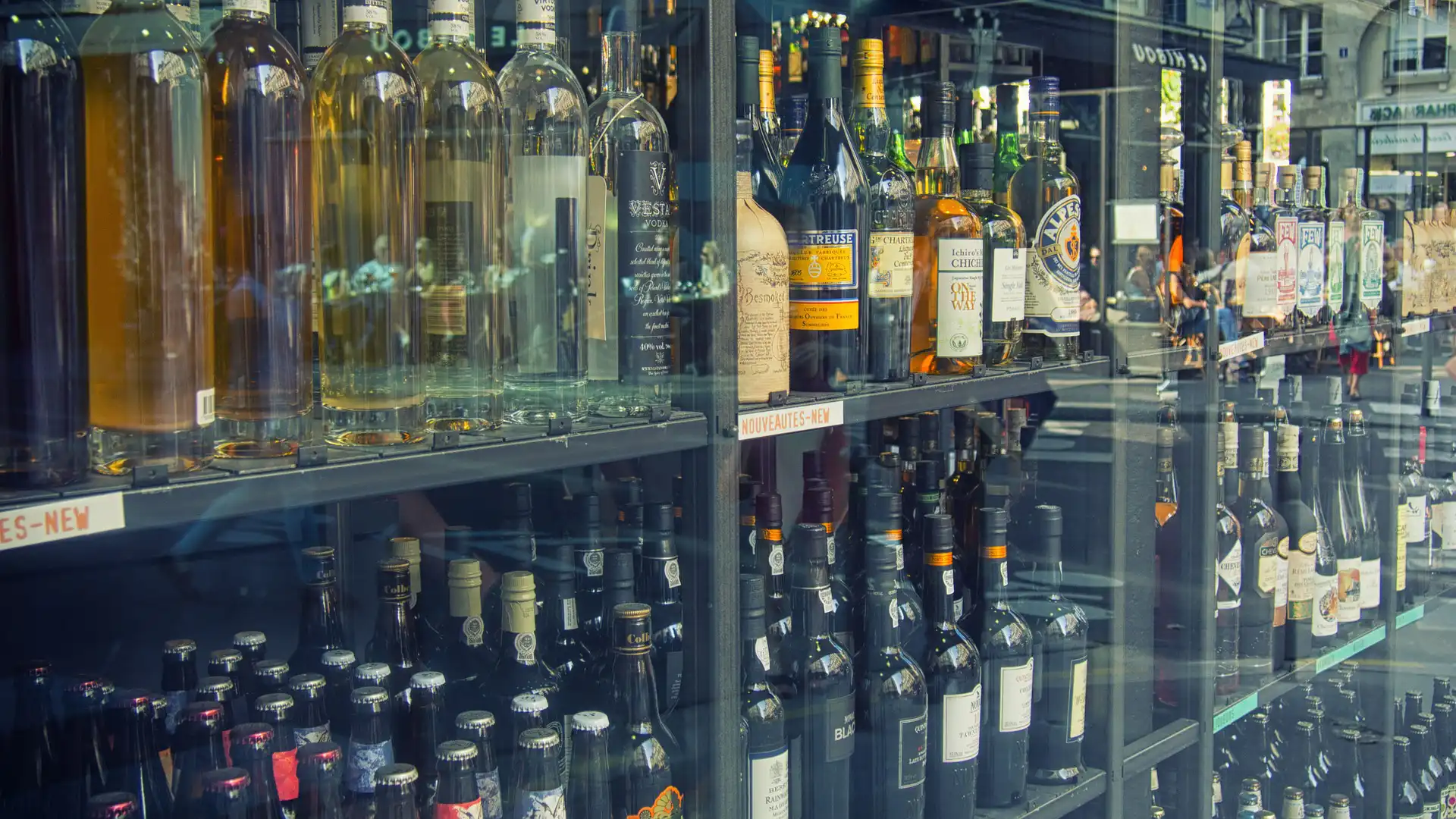
Anyone working as a retailer in the beverage industry likely chose this profession to interact with customers. Providing good advice or making recommendations is more interesting to them than administrative work. But this ‘people-oriented work’ is all too often disrupted by a number of challenges and trends facing retailers in the beverage industry that are all too familiar. Fortunately, there’s something that can be done about it…
Challenge 1: Administrative Workload
Administrative work is time-consuming and often complex due to the extensive product range and the large number of suppliers. In many cases, purchase and sales lists are tracked in complicated and often confusing Excel files.
Challenge 2: The lack of up-to-date insight into inventory levels
For example, your statistics by supplier might be missing. What are the open orders? What has already been received but not yet invoiced? Have returns already been written off or credited? Questions like these can create uncertainty about your current inventory status—something you should actually be able to find out with the push of a button.
Challenge 3: Confusing Promotions
Beverage suppliers regularly come knocking with all kinds of promotions. But how do those promotions work again, and at what quantity can a customer take advantage of a discount? Sometimes these promotions are so complicated that people don’t even take advantage of them.
Challenge 4: Laws and Regulations
This includes all the tasks you must perform in the beverage industry related to the payment of excise taxes, but also all the hassle surrounding empty containers (deposits).
Challenge 5: Outdated Administrative Systems
As a business owner in the beverage industry, you want to know how your business is doing—even when you’re at home. However, with outdated administrative systems, that’s not always possible. Maybe you’d like to keep track of your financial situation through a dashboard on your smartphone?
Challenge 6: Issues Related to Renting
There are also many beverage suppliers that help organize parties—for example, by renting out a beer tap, glasses, and a party table. But what happens after the party? Did you get all the equipment back on time, and what about handling any potential damage?
Challenge 7: Failing to Identify Trends Accurately
Finally, it would be helpful if you could predict consumer behavior based on past purchases. That way, you’d know when it’s better to stock white wine instead of red wine. This is just one example, but if you don’t spot trends in time, you could end up stuck with slow-moving inventory.
So how do you tackle these 7 challenges?
To address these specific challenges facing retailers in the beverage industry, we at Alistar have Drinkmaster 365 developed, a complete business software for the beverage industry. In our next blog post, ‘8 Benefits of Business Software for the Beverage Industry‘We'll take a closer look at the benefits of Drinkmaster 365.".


