Welcome to the dynamic world of wholesalers and distributors, where pure product distribution is increasingly taking a back seat and providing added value is becoming increasingly crucial. That’s where ‘Product-as-a-Service’ (PaaS) comes into play—a model that redefines the way we think about products and services.
What is Product-as-a-Service?
With ‘Product-as-a-Service’ (PaaS), the focus is on the use of products, not ownership. Customers pay for the desired outcome, not for the physical product itself.
One example of this is the subscription model. Customers do not own the product, but pay for its use and the services included in the package. When the subscription period ends or they no longer need the product, they return it. The product owner then cleans, inspects, and, if necessary, repairs it, after which the product is ready for the next user.
In the PaaS model, payment is therefore based, on the one hand, on the value the product delivers and, on the other hand, on its performance, ease of use, and the experience it provides.
Why Is Product-as-a-Service Important?
Offering products as a service brings many benefits. First and foremost, it enables companies to tap into new revenue streams. By not only selling products but also offering them as an ongoing service, organizations can create a stable and predictable source of revenue.
In addition, offering products as a service fosters deeper customer relationships and is a more sustainable business model. Customers become partners, and the ongoing interaction with them creates opportunities for upselling, cross-selling, and understanding their long-term needs. In short, offering products as a service is a smart strategy for growth and innovation in a competitive market.
However, there are also challenges associated with Products-as-a-Service. For example, it can be difficult to transition from a product-centric to a service-centric business model. Furthermore, selling products-as-a-service often requires a new set of skills and processes, which can be difficult to implement.
From Product Distribution to Product-as-a-Service
Due to rapid technological advances and rising customer expectations, the transition from traditional product distribution to Product as a Service (PaaS) Not just a trend, but a necessity. This shift is being driven by the rise of value-added distribution. Value-added distribution goes beyond the traditional "box mover" model by added value to provide in the form of services, support, and customized solutions.
This added value is crucial in an era when customers are no longer looking for a one-time purchase, but rather for a holistic solution one that grows with them and adapts to their changing needs. PaaS fits perfectly into this by giving customers access to the latest technologies or products without the heavy investments normally required for purchase and maintenance.
The shift to PaaS, supported by value-added distribution, is therefore not only a strategic move to remain competitive, but also a response to the growing demand for flexibility, scalability, and customer focus in the wholesale and distribution sector.
PaaS Applications and Examples
The Product as a ServiceThe PaaS (Product-as-a-Service) model is thus transforming the way we think about product ownership and consumption. Instead of buying, subscribing to, renting, or leasing products, customers now subscribe to or rent products or services. Here are some examples of companies that have successfully implemented the PaaS model:
- Bedzzzzy by Auping: This initiative from the Dutch bed manufacturer Auping offers a mattress through a flexible sleep subscription. Customers can choose between purchasing the mattress with a refundable deposit or leasing the mattress with the option to receive a new one after five years.
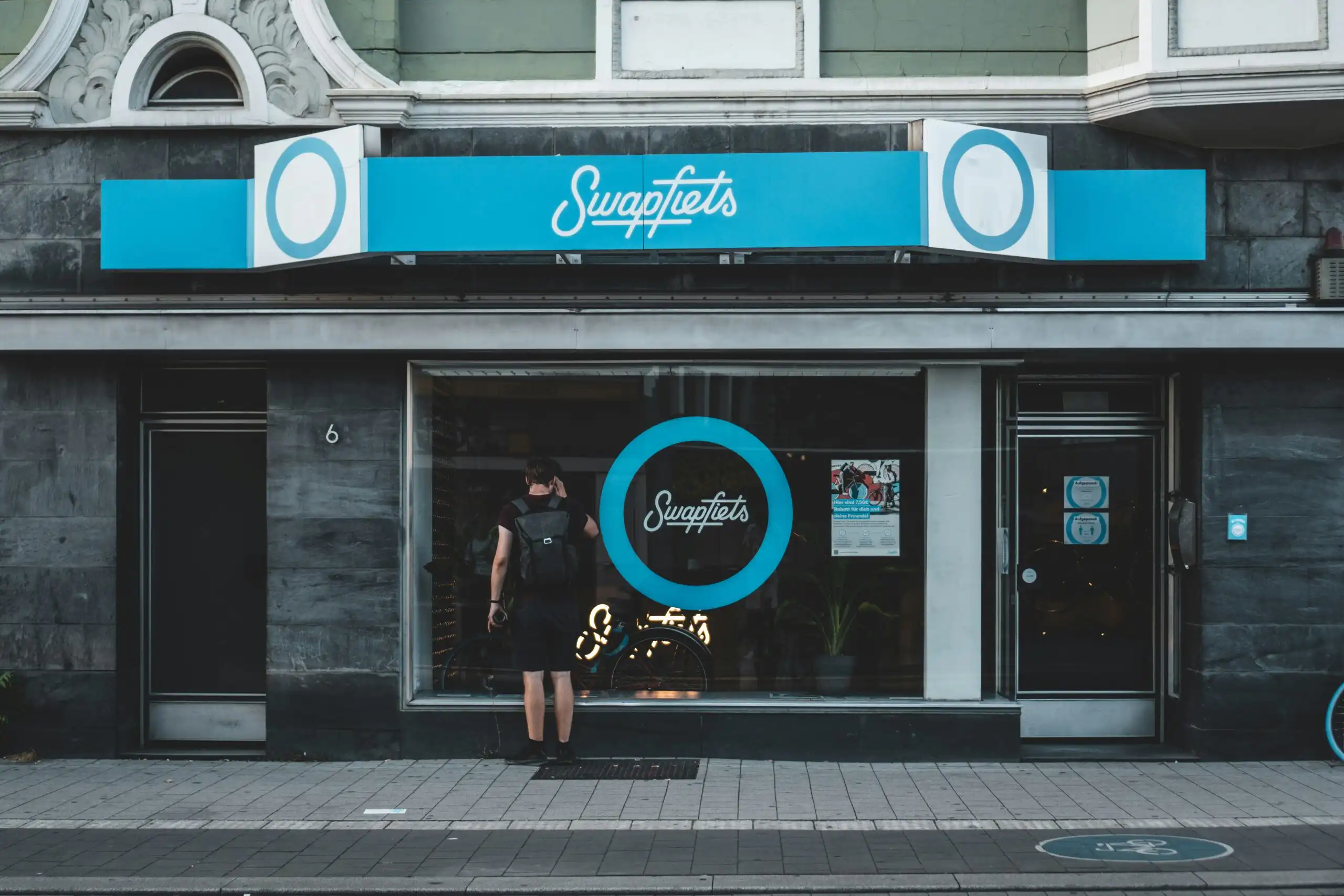
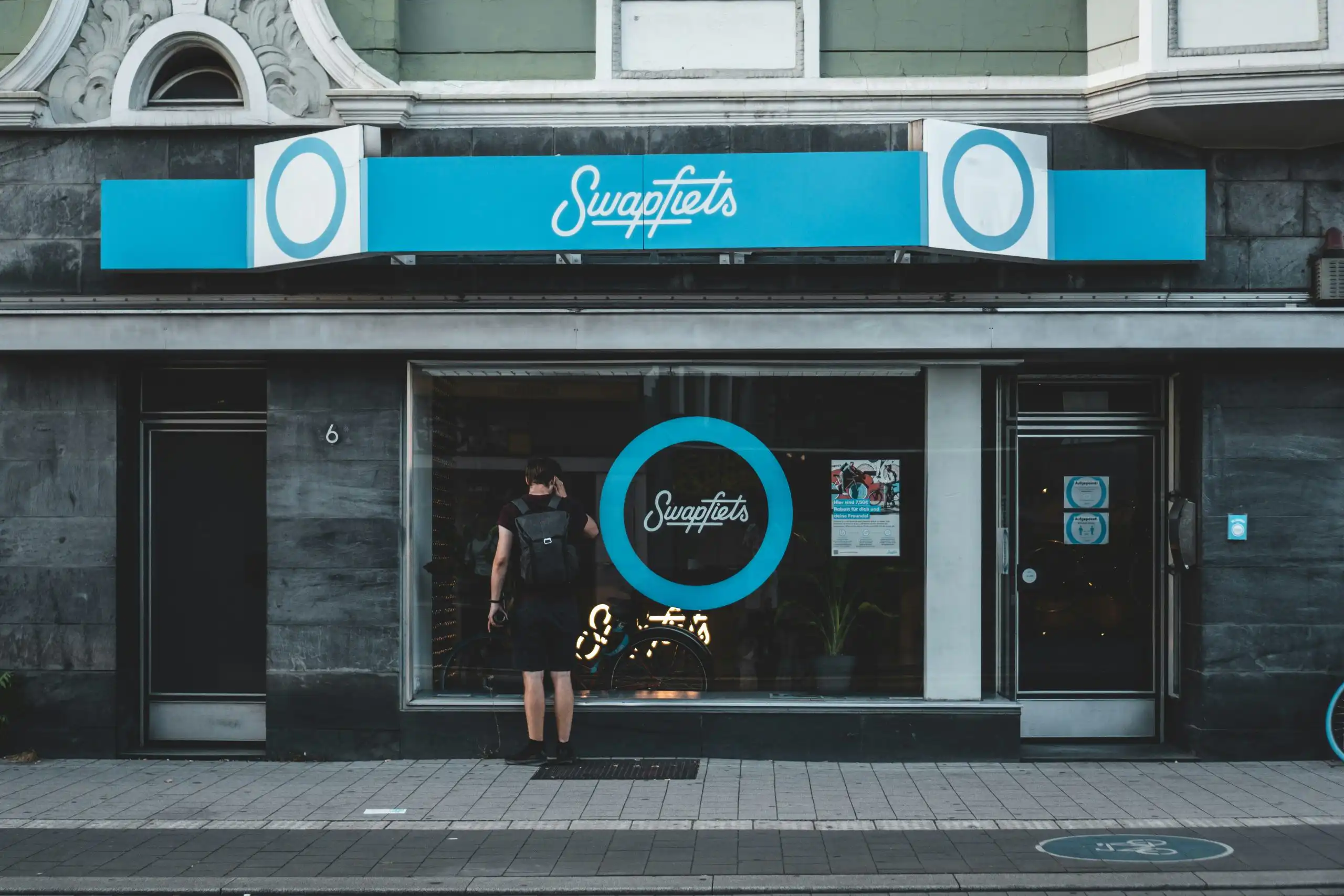
- Swapfiets: Known as the world's first ’bike-as-a-service‘ company, it offers Swapfiets A subscription service that ensures customers always have a working bike at their disposal. If there are any problems, the bike is quickly repaired or replaced at no additional cost.
- Wellness on the Road: Another striking example is Wellness on Tour, a company that specializes in hot tub rentals. This concept offers customers the luxury of a wellness experience without the need to invest in an expensive hot tub themselves. This way, customers can enjoy a relaxing evening, while Wellness on Tour takes care of delivery, installation, cleaning, and pickup.
These examples demonstrate that the PaaS model has a promising future, in which products are offered as services and the emphasis is on customer satisfaction, sustainability, and a circular economy.
Digital Transformation at Modern Wholesalers
Discover how Value Added Distribution (VAD) and a composable ERP solution can take your business to new heights. From optimizing your value-added services and digitizing field operations to streamlining collaboration with partners and efficiently managing inventory and pricing. Get inspired by real-world examples and discover your next step toward a competitive and future-focused organization.