
Over the past few decades, Enterprise Resource Planning (ERP) software has evolved from simple administrative tools into complex systems that form the backbone of many organizations. However, this evolution is far from over. The future of ERP software promises even more innovation and adaptation to rapidly changing business environments. Let’s take a look at some key trends and developments that will shape the future of ERP software.
AI and Machine Learning: Smarter ERP Systems
Artificial intelligence (AI) and machine learning will play a crucial role in the future of ERP systems. By integrating data analysis and pattern recognition, these technologies can make predictions and provide proactive recommendations. This enables companies to make decisions faster and more accurately, identify risks before they arise, and eliminate inefficiencies.
Cloud-Based ERP: Flexibility and Scalability
Cloud computing remains a major trend, and ERP software is no exception. Cloud-based ERP solutions offer businesses the flexibility to scale up quickly and access their systems from any location. This is especially important at a time when remote work is becoming increasingly common. In addition, cloud solutions reduce initial investment costs and provide regular updates and improvements without requiring extensive IT infrastructure.
Internet of Things (IoT): Integrating Real-Time Data
The integration of IoT with ERP systems will enable companies to collect and analyze real-time data from a wide range of devices and sensors. This will not only improve operational efficiency but also provide new insights that can contribute to innovation and enhanced customer experiences.
Composable ERP: Flexibility and Adaptability
One of the most groundbreaking concepts in the ERP world is the idea of Modular ERP. It enables companies to build their ERP system as a collection of independent but interconnected modules or “building blocks.” Instead of being stuck with a monolithic system that is difficult to change, companies can use the Alistar's composable ERP solution adapt, expand, or modify their system as needed.
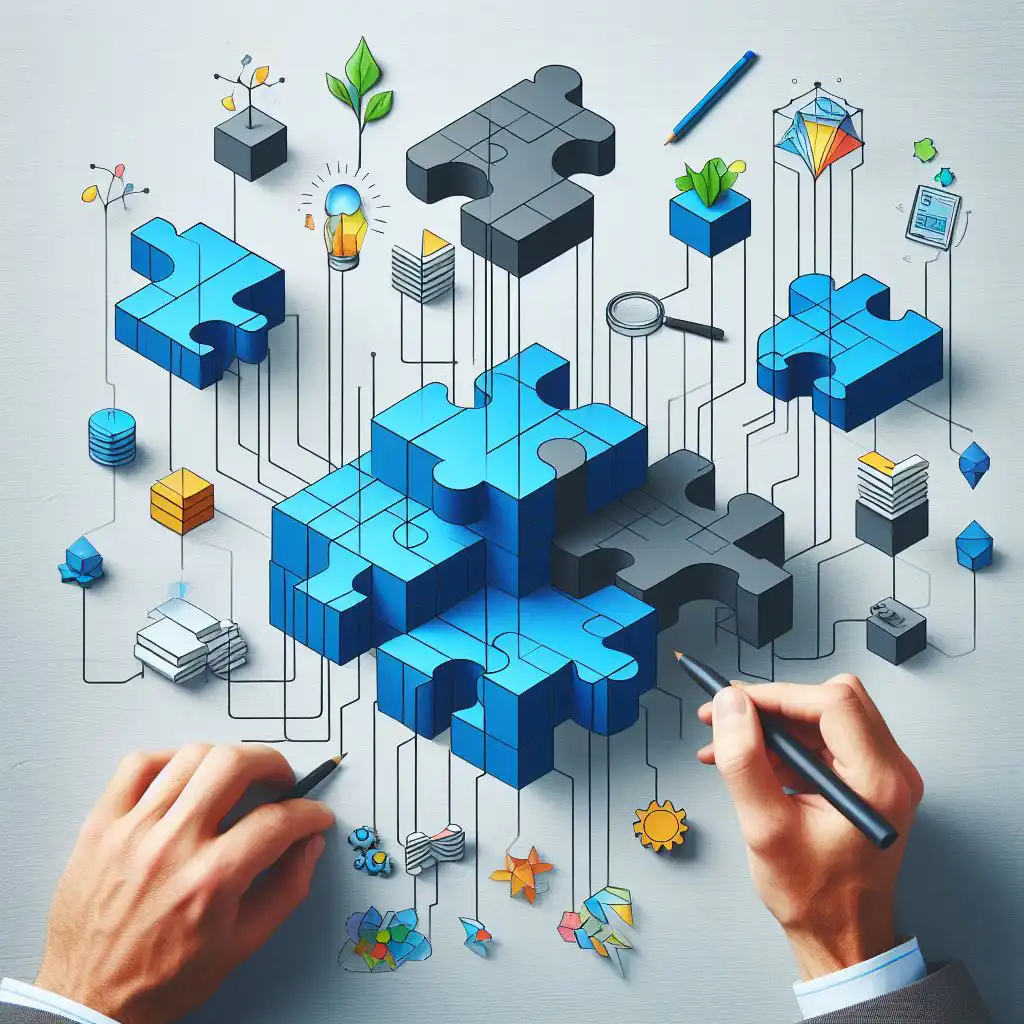
Key Benefits of Composable ERP:
- Adaptability: Companies can respond quickly to market changes by simply adding new modules or modifying existing ones.
- Cost Efficiency: You'll never have to invest in a completely new system again; you can simply upgrade or replace specific modules.
- Faster Implementation: Modular systems can be implemented more quickly than traditional ERP systems, which shortens the time to value.
- User-centered: Users can choose modules that precisely meet their specific needs, which increases the system's usability and acceptance.
The Future of ERP
The future of ERP software promises more flexibility, intelligence, and connectivity than ever before. With AI and machine learning, cloud-based solutions, IoT integration, and the rise of Composable ERP, companies are on the cusp of a new era in business management.
These developments will not only increase efficiency and productivity, but also open up new opportunities for innovation and growth. Companies that embrace these trends will be better able to adapt to the rapidly changing business environment and gain a competitive advantage in their industry.