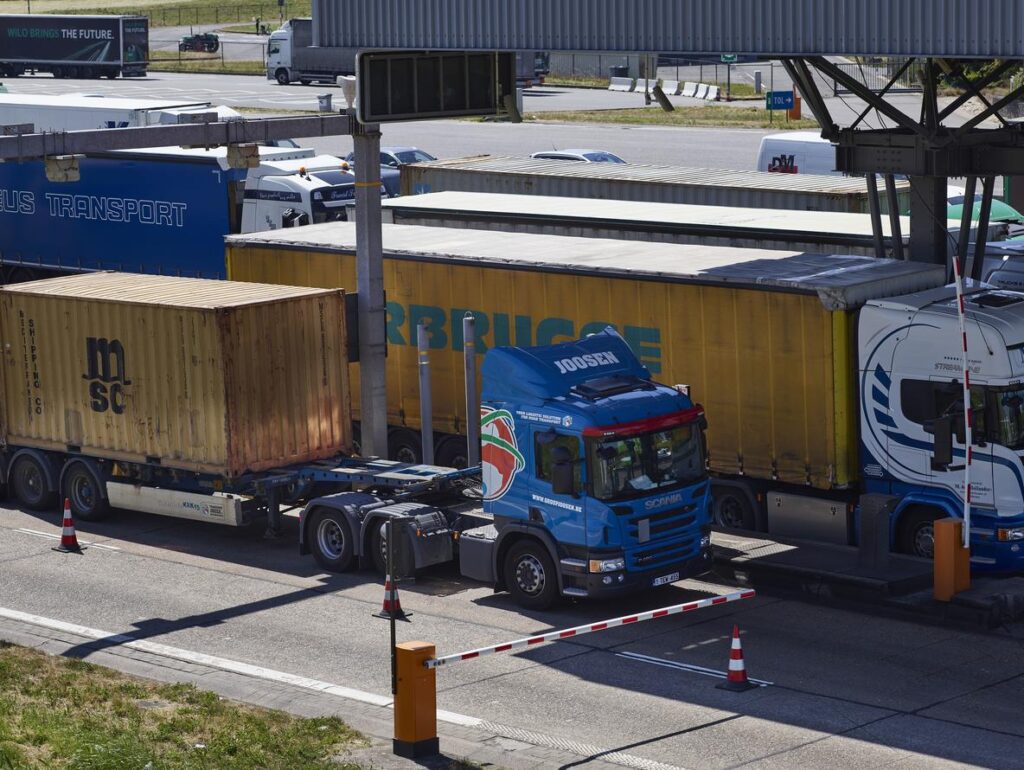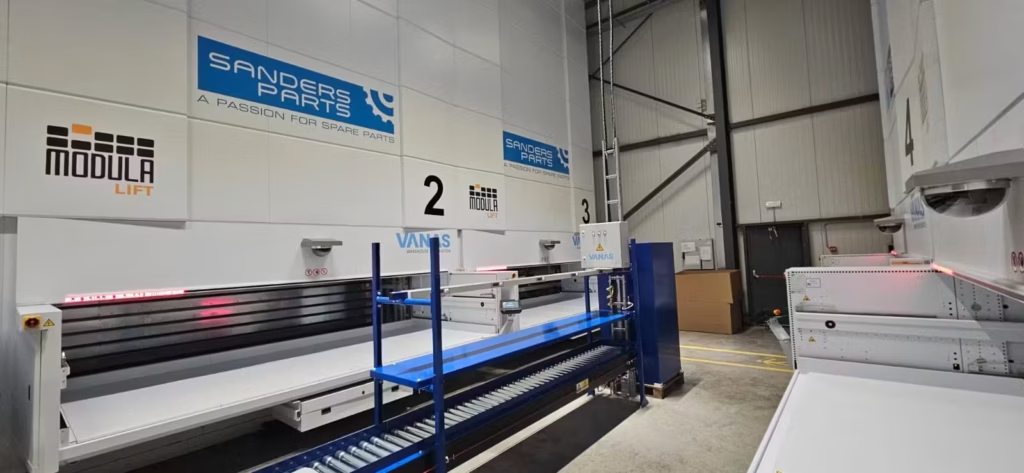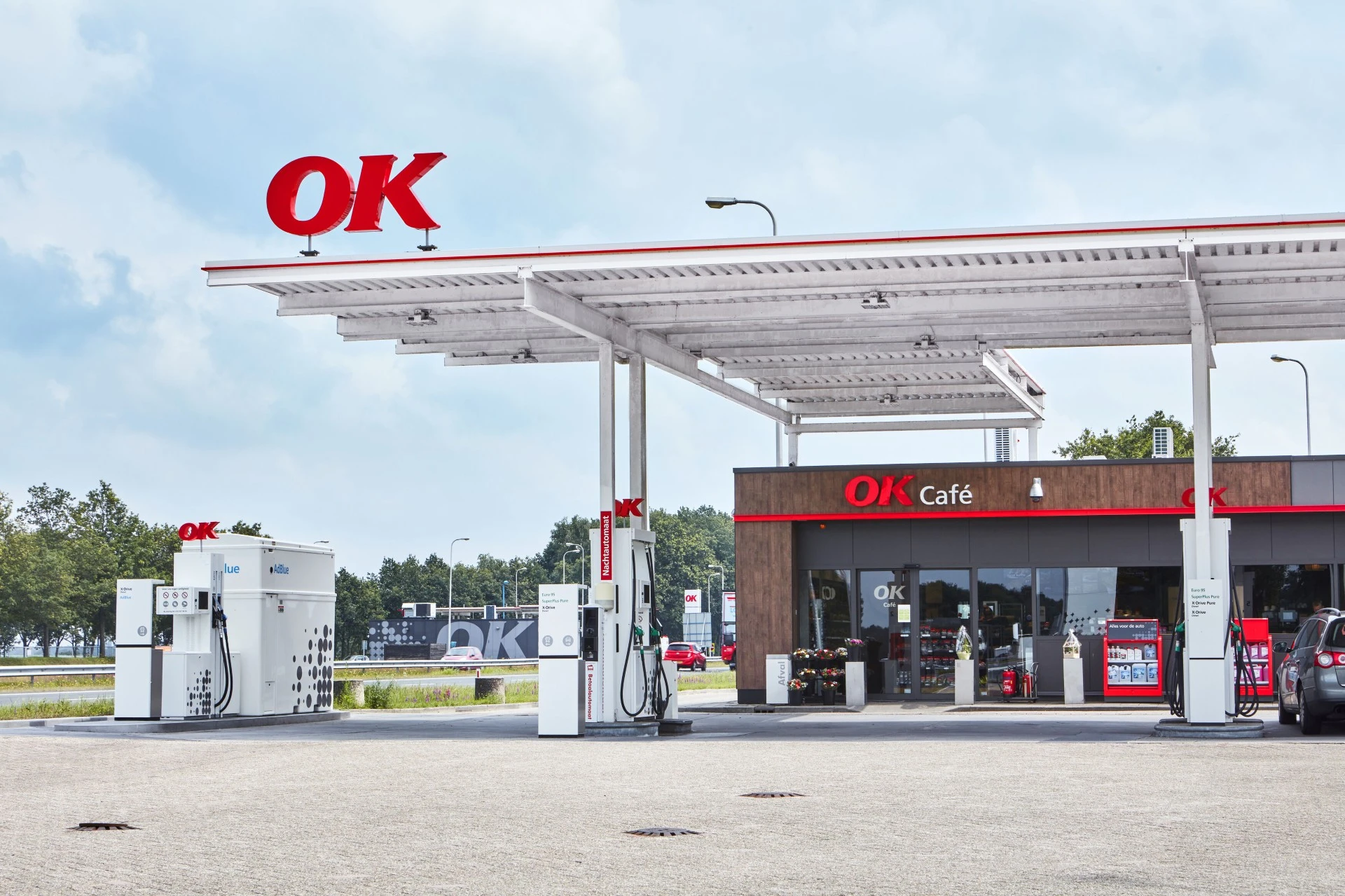

Over the past few decades, Catom has grown into a leading player in the energy market, with operations in fuel trading, distribution, and retail, including service stations. The organization is characterized by a flat organizational structure, extensive in-house expertise, and strong collaboration among its various business units.
The large-scale conversion of approximately 300 BP gas stations to the company’s own OK brand represents one of the largest transitions in the sector in recent years.
As part of this transition, Alistar is helping Catom integrate its processes and systems. A large-scale rebranding and integration of hundreds of locations like this requires standardized data, consistent processes, and insight into performance and operations.
From system implementation to strategic partnership
By integrating processes and making data centrally available, Catom can operate more efficiently and respond more quickly to changes. An ERP solution tailored to the unique processes of the downstream oil market—including service stations—is an essential part of the company’s operations.
At the same time, experience shows that technology alone is not enough: although ERP plays an important role, Catom believes that the key to success lies primarily in collaboration among people.
The collaboration between Catom and Alistar dates back to the first Navision implementations and has grown into a long-term partnership. What began as an IT project has now evolved into a structural collaboration focused on continuous optimization and innovation.
A hallmark of this collaboration is its pragmatic and flexible approach:
- Focus on Speed and Results
- Adapt Immediately When New Insights Emerge
- Building Together as Processes Continue to Evolve
Instead of lengthy preliminary phases, the emphasis is on iterative improvement. This allows Catom to quickly deliver value while remaining flexible in a constantly changing market.
The collaboration goes beyond mere implementation. It involves true co-creation: users within Catom provide continuous input, which is directly translated into improvements to the system. Examples include optimizations in fuel card management, fuel card billing, route planning, and logistics processes—all of which are essential for fuel distribution and gas stations.
Integration of logistics and billing in Business Central and FuelVision365
Within Catom, Microsoft Dynamics 365 Business Central, supplemented by FuelVision365, serves as the central platform for managing and controlling processes.
The strength of this ERP solution lies in the integration of core processes:
- Order Processing
- Logistics and Route Planning
- Billing
These processes form a single, continuous chain. This makes it possible to work quickly, accurately, and at scale.
“ERP serves as a central processing layer where all data is consolidated and processed. This allows us to reduce the lead time from order to invoice.”
Lilian Roelofsen – Operations Manager
A key KPI at Catom is reducing the lead time from order to invoice: Ordered today, delivered tomorrow, invoiced the day after tomorrow.
To achieve this, significant efforts have been made toward automation, including:
- Batch processing, even outside business hours
- Integration of large data streams from various systems
- Minimizing manual Tasks
Whereas invoicing used to be done manually, it is now handled entirely automatically in Business Central. All accounting for gas stations, including large volumes of transactions, is processed in the ERP system. As a result, the ERP system serves as a central processing layer where all data is consolidated and processed.

The BP project: working together under pressure
A concrete example of the role of ERP and collaboration is the BP project. Before Catom's acquisition of BP's Dutch service stations was announced, the necessary IT preparations already had to be underway.
This project presented several challenges:
- Significant operational impact
- Working with Partially Unknown Requirements
- A strict deadline by which systems had to be fully operational
The approach underscored the strength of the partnership between Catom and Alistar:
- Start with the information available and iterate from there
- Working with Sample Data and Scenarios
- Continuously adjusting based on new insights
Thanks to this pragmatic approach, a functional and scalable solution was implemented in a short period of time, despite the complexity and uncertainty.
”During the BP project, the strength of the partnership became clearly evident: the ability to adapt quickly and trust in each other's expertise."
Lilian Roelofsen – Operations Manager
Collaboration as a critical success factor
Although technology plays an important role, Catom believes that the key to success lies primarily in collaboration between people.
The collaboration is characterized by:
- Trust in each other's expertise
- Fast and direct communication
- Shared responsibility for results
In projects such as the BP integration, various teams—both internal and external—work together as a single unit. Decisions are made jointly, and there is flexibility to adapt quickly.
This ensures that technological solutions not only work on paper but also align with the realities of fuel distribution and gas station operations.
Results: Efficiency, speed, and scalability
The combination of ERP and collaboration has led to tangible improvements in Catom's operations:
Further automation of processes
More and more processes are becoming fully automated, allowing large volumes of transactions to be processed efficiently.
Faster and More Reliable Billing
By integrating systems and processes, Catom can invoice more quickly and minimize errors.
Better control of data flows
Through centralization in ERP and integration with other systems, large volumes of data can be managed and processed efficiently.
Foundation for Further Growth and Change
New projects and acquisitions are used to further optimize processes and continuously improve the organization.
Conclusion
At Catom, ERP is not just a support system, but an essential part of business operations.
The combination of:
- An integrated ERP platform (Business Central + FuelVision365)
- A strong focus on automation
- A pragmatic implementation approach
makes it possible to keep growth and complexity under control.
At the same time, the collaboration between Catom and Alistar demonstrates that technology alone is not enough. It is precisely the combination of subject-matter expertise, flexibility, and human collaboration that makes the difference in complex projects within the downstream oil market.
Curious about what we can do for your organization?
Request a demonstration or contact us for personalized advice.

Jesse Akkers