The NIS2 regulation is intended to enhance the IT security of critical infrastructure sectors such as energy, transportation, healthcare, manufacturing, finance, water, and digital services in the EU. Below, we’ll also discuss the impact of the NIS2 regulations and how you can get started to ensure your organization’s cybersecurity. This is important because, as a manager, you could be personally liable if something goes wrong with your cybersecurity!
What is NIS2?
The acronym NIS stands for network and information systems. The first NIS Directive was published as early as 2016 and was intended for large companies and institutions that perform essential functions within society.
Suppliers in the energy, transportation, banking and financial markets, healthcare, drinking water, and digital infrastructure sectors rely on network and information systems, such as computers, servers, software, and so on. If these systems are attacked by cybercriminals, the consequences can be far-reaching.
That is why these sectors have been required for several years now to take steps to improve their cybersecurity. The European Parliament recently approved the introduction of a stricter version in the form of new legislation (NIS2) that sets even higher standards.
NIS2 Regulations vs. NIS1
The NIS2 regulation is an extension of the NIS1 Directive and applies to more organizations, including numerous medium-sized and large companies. In total, this affects approximately 160,000 companies across Europe. NIS2 also prescribes a more concrete approach, with a list of minimum basic security measures that organizations must implement.
The Objectives
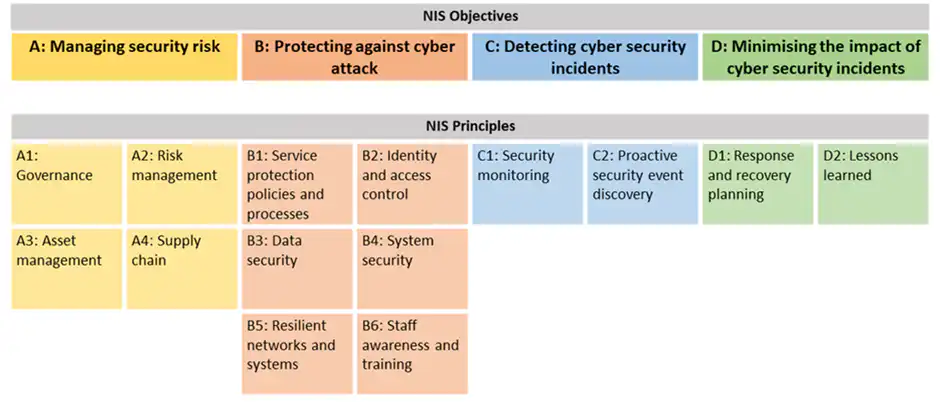
NIS2 requires companies to take decisive measures in various areas, which are listed below. Your organization must therefore identify all risks and better protect itself against threats.
Inspections and Fines
Through periodic checks or audits, strict oversight will be conducted to ensure that the level of security within your organization complies with NIS2 regulations. Failure to properly implement certain security measures can therefore have serious consequences. Not only do you face an increased risk of hacking attempts, but—just as with GDPR violations—certain financial penalties will be imposed based on your organization’s global revenue. The financial consequences are significant, as are the operational impacts, including damage to your reputation and loss of customers.
Once the directive becomes law, the regulatory authority will be able to impose these fines for noncompliance with the requirements. So you still have until the end of 2024 to prepare!
How do I prepare for NIS2?
It is crucial to understand how these NIS2 regulations may affect your organization and to take the necessary steps to comply with the NIS2 Directive.
Still, implementing NIS2 can be a daunting task for some companies. Where do you start? Do we even have the capacity? And how much will this cost? You absolutely have to be prepared before you get started, because you don’t have the option of not doing it.
Our 360° Security Approach
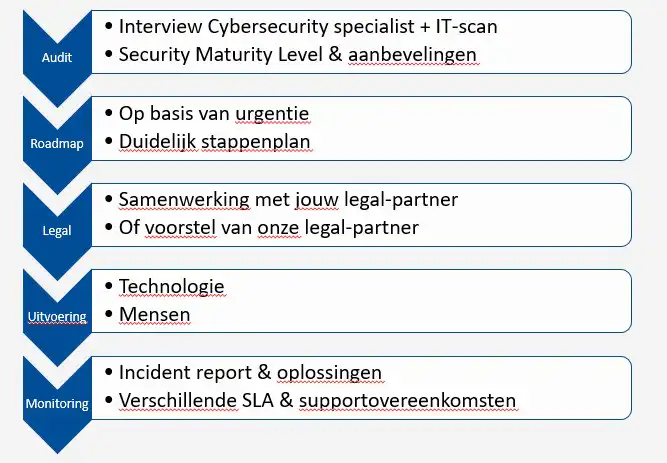
Before you resort to extreme measures, it’s important first and foremost to review your current security policy. Risks must be identified, and this can be done easily through a security audit. We’d be happy to discuss with you the best steps to take to ensure your organization’s cybersecurity. If you’d like to learn more about NIS2 and how to secure your business, check out our cybersecurity page or find out how the Security Six Scan exposes the vulnerabilities in your security.
Our Cybersecurity team is here to help!
Alistar is a Microsoft Certified Partner and has a team of experienced business consultants, engineers, and security experts who are happy to guide you through the entire process. Our goal is to ensure that your security journey goes as smoothly as possible.

Jo Geeraerts